

Economy

Chinese energy giant opens new plant in South Korea as AI ambitions intensify power crisis
Chinese companies are deepening their participation in South Korea’s energy sector as state-owned nuclear giant CGN Energy International begins operations at a self-developed power project, helping supply China’s power-hungry neighbour amid a surge in electricity demand driven by an artificial intelligence boom.
The gas-fired facility, located in Seosan, northwestern South Korea, commenced commercial operations on Friday. With an installed capacity of 557 megawatts, it was expected to generate...

Beijing to upgrade China-Europe Railway Express freight network and southern alternative
Beijing has pledged to upgrade the China-Europe Railway Express and stepped up development of a southern rail route that bypasses Russia, as the railway network struggles to keep pace with surging demand for Chinese exports such as electric vehicles and air conditioners.
The General Administration of Customs would support the construction of assembly centres and hub cities for the China-Europe Railway Express to keep cross-border logistics channels “diverse and unimpeded”, customs spokesman Lu...
Trump’s new tariffs, stock market intervention, mega IPOs
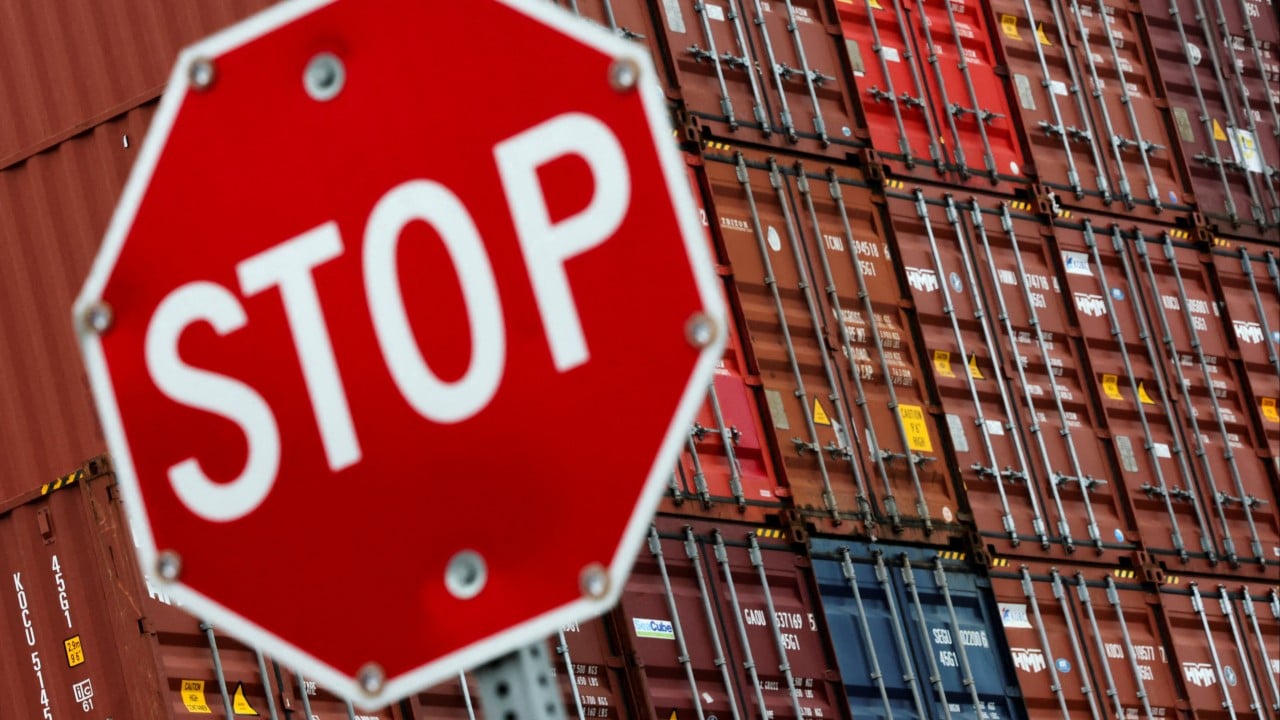
The US imposed tariffs as high as 12.5 per cent on 60 trading partners, including China, after President Donald Trump adopted a different method for pursuing his global trade war.
The levies, which are related to forced labour, replaced a temporary 10 per cent global tariff that expired on Friday. The 10 per cent tax was imposed after previous Trump tariffs were struck down by the US Supreme Court.
Trump’s new taxes, targeting imports from 80-plus countries, can probably withstand legal...
China adds 14 European entities to export control list, hitting back at EU sanctions
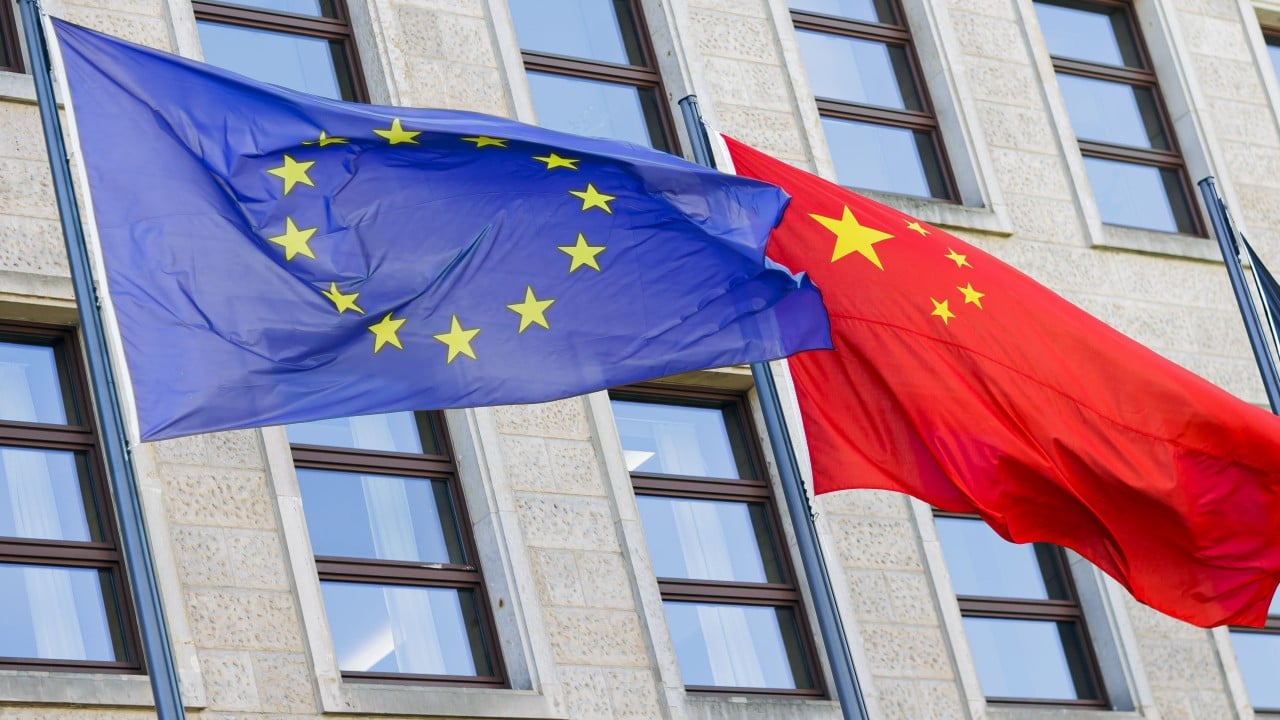
China has added 14 entities from the European Union to its export control list, including German defence giant Rheinmetall, the Ministry of Commerce announced on Friday.
Effective immediately, the order means that the export of dual-use items – products with civilian and military applications, including some rare earth elements – from China to the named entities is prohibited, as is the shipment of dual-use items of Chinese origin to the listed companies and institutions.
The move came after...

How will China’s new high-speed rail line connect Shenzhen, Guangzhou and Hong Kong?
Planning for a second express rail link in southern China’s most vibrant urban cluster is being revved up to streamline travel between the tech hub of Shenzhen and the commercial powerhouse of Guangzhou, while also benefiting Hong Kong.
Construction is now in full swing after Shenzhen broke ground on the southern end of the future high-speed rail artery in June. The project begins with a new station at Terminal 1 of the city’s airport, with space reserved for a future cross-border extension into...
China’s 15th five-year plan for renewable energy development
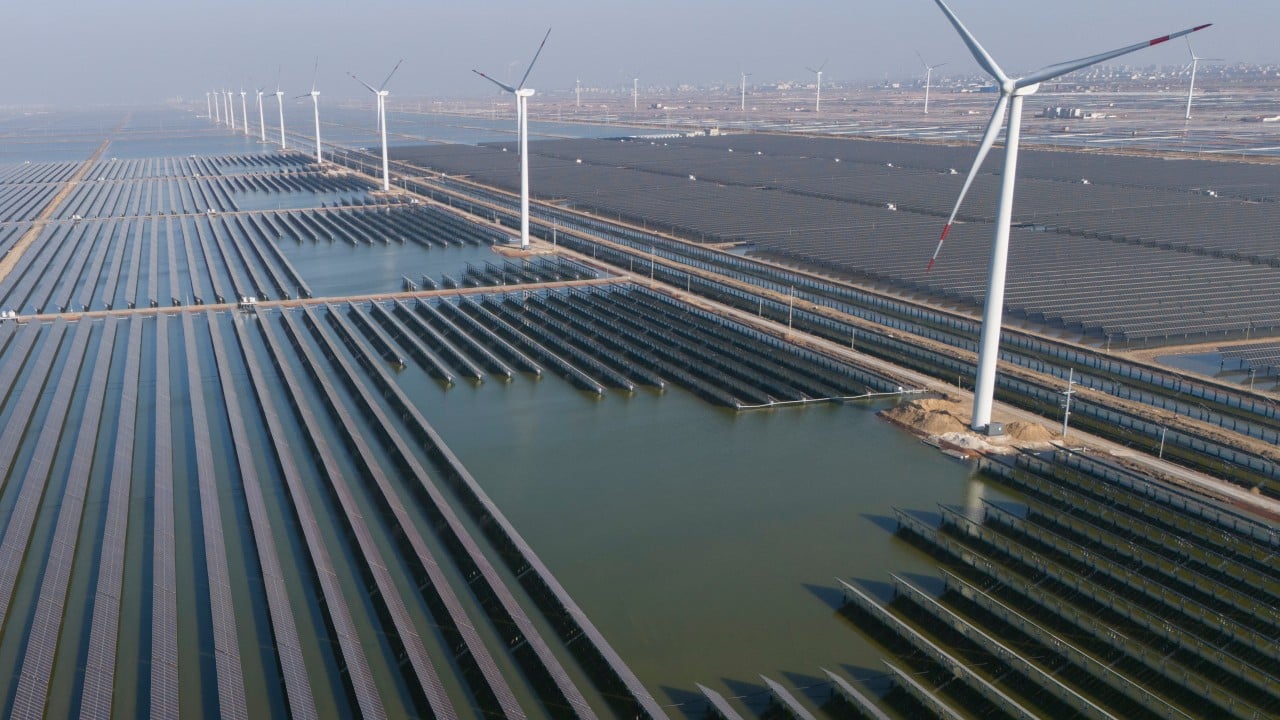
China unveiled its 15th five-year plan for renewable energy on Thursday. Below are the key targets outlined in the blueprint, which was released jointly by the National Development and Reform Commission and National Energy Administration.
See original document in Chinese:
可再生能源发展“十五五”规划 by scmp
Nobel economist on anti-China, anti-science US, AI’s risks
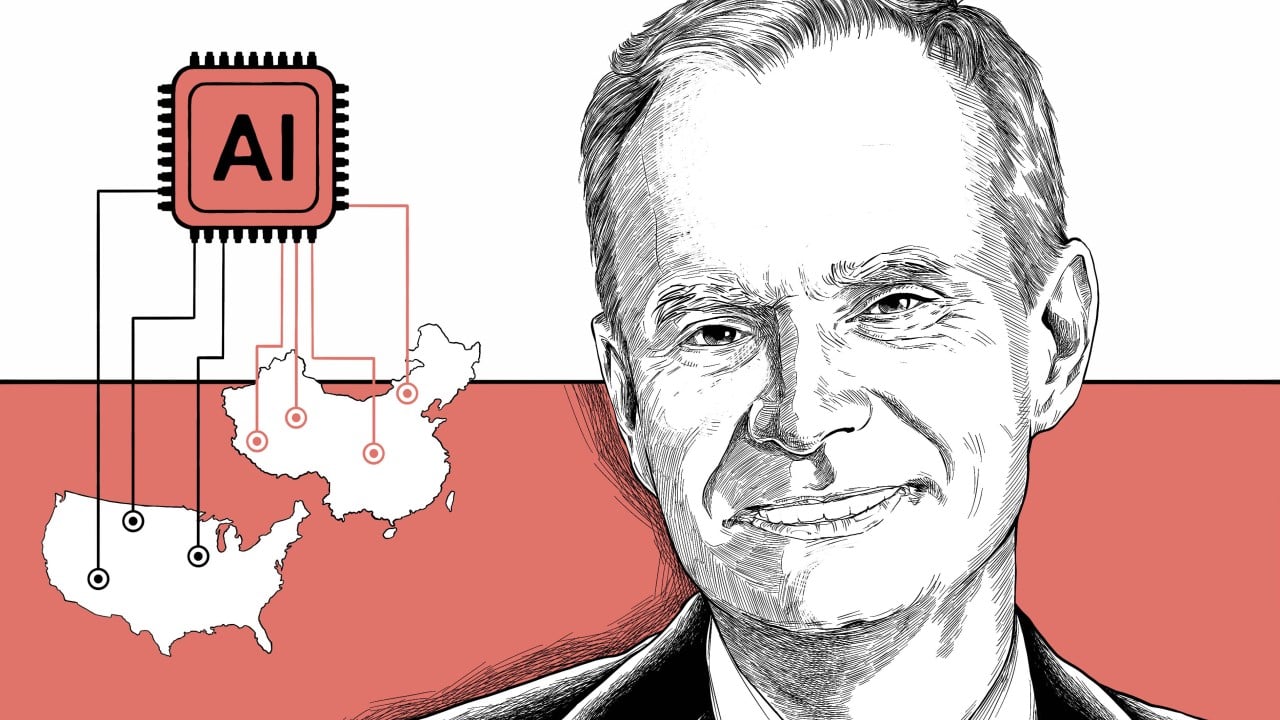
Simon Johnson is a professor of entrepreneurship at the Massachusetts Institute of Technology (MIT). A former chief economist of the International Monetary Fund (IMF), he won a joint Nobel Prize for economics in 2024 for his research into how institutions shape national prosperity. On June 8, the British government announced Johnson as chair of its new AI Economics Institute.
In this interview, conducted on the sidelines of the UBS Asian Investment Conference in Hong Kong, Johnson discussed the...